



TS
MuslimAirForce
**PIC} Life & Peace Inside North Iraq Kurdistan Today 2013**
Kurdistan (Kurdish: ههرێمی کوردستان Herêmî Kurdistan; Arabic: إقليم كردستان العراق Iqlīm Kurdistān Al-‘Irāq), also known as the Kurdistan Region or Iraqi Kurdistan, is an autonomous region of northern Iraq.[2] It borders Iran to the east, Turkey to the north, Syria to the west and the rest of Iraq to the south. The regional capital is Arbil, known in Kurdish as Hewlêr. (The word Hewlêr is a metathesis of the non-Semitic name Arbel.)[3] The region is officially governed by the Kurdistan Regional Government.
The establishment of the Kurdistan Region of Iraq dates back to the March 1970 autonomy agreement between the Kurdish opposition and the Iraqi government after years of heavy fighting. The agreement however failed to be implemented and by 1974 Northern Iraq plunged into another round of bloody conflict between the Kurds and the Arab-dominated government of Iraq. Further, the Iran-Iraq war during the 1980s and the Anfal genocide campaign of the Iraqi army devastated the population and nature of Iraqi Kurdistan.
Following the 1991 uprising of Kurds in the north and Shia's in the south against Saddam Hussein, the Peshmerga succeeded in pushing out the main Iraqi forces from the north. Despite significant casualties and the crisis of refugees in bordering regions of Iran and Turkey, the Peshmerga success and establishment of the northern no-fly zone following the First Gulf War in 1991, created the basis for Kurdish self-rule and facilitation of return of Kurdish refugees. As Kurds continued to fight government troops, Iraqi forces finally left Kurdistan in October 1991, leaving the region to function de facto autonomy; however, neither of the two major Kurdish parties had at any time declared independence and Iraqi Kurdistan continues to officially be an integral part of a united Iraq,[citation needed] but one in which it administers its own affairs. The 2003 invasion of Iraq and the subsequent political changes led to the ratification of a new Constitution of Iraq in 2005. The new Iraqi constitution defines Iraqi Kurdistan as a federal entity of Iraq, and establishes Arabic and Kurdish as Iraq's joint official languages.
Iraqi Kurdistan is a parliamentary democracy with a regional assembly that consists of 111 seats.[4] The current president is Massoud Barzani, who was initially elected in 2005 and re-elected in 2009. The three governorates of Duhok, Erbil and Sulaymaniyah comprise around 40,000 square kilometres (15,000 sq mi) and have a population of 5.5 million.
http://en.wikipedia.org/wiki/Iraqi_Kurdistan

Erbil Capital Of Kurdistan






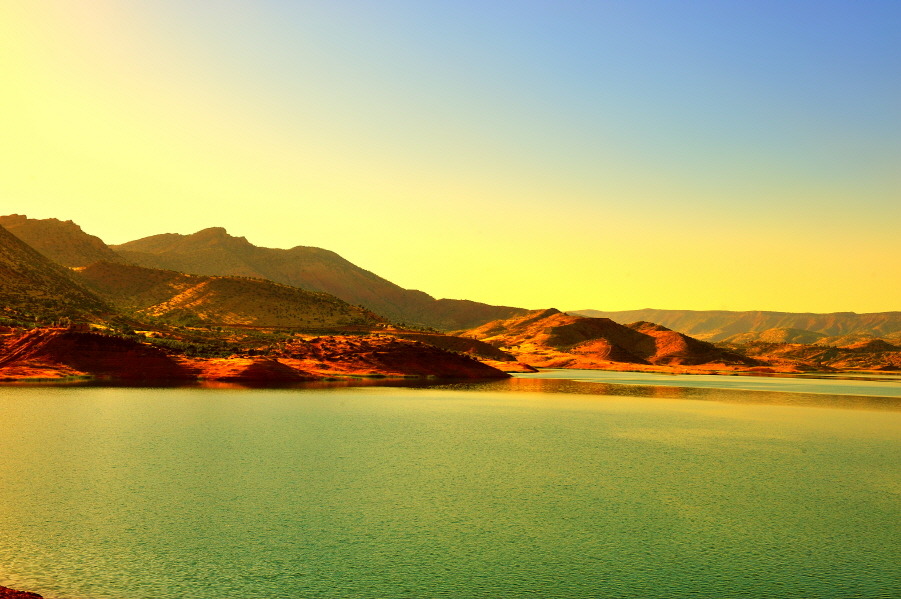
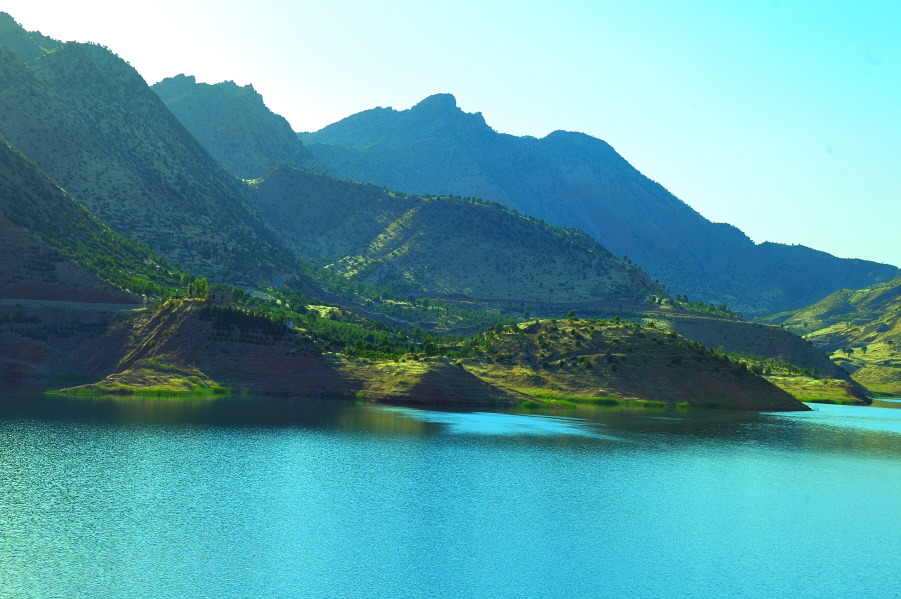


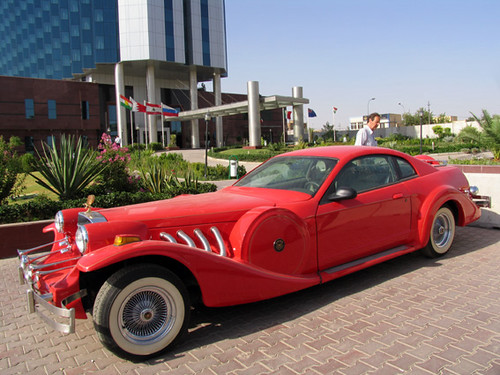
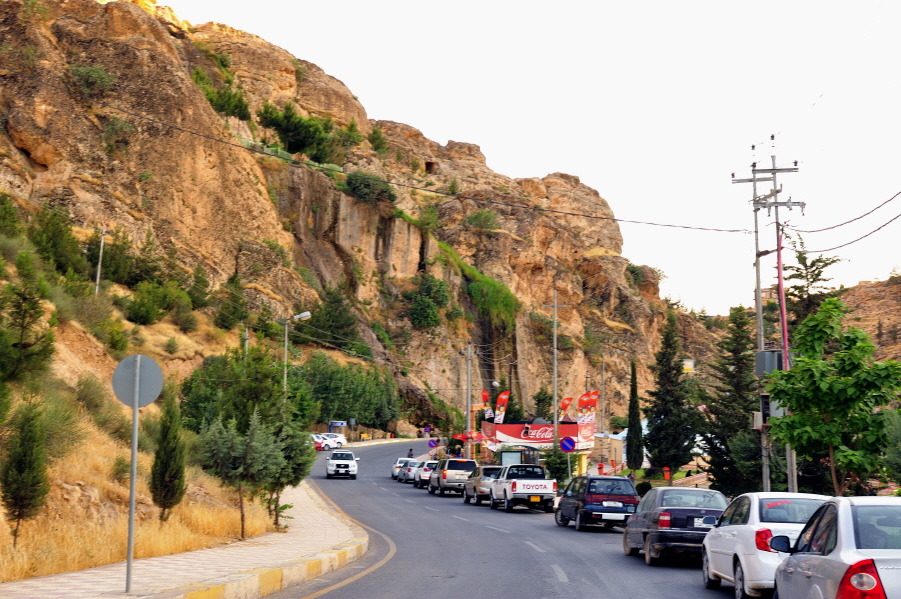
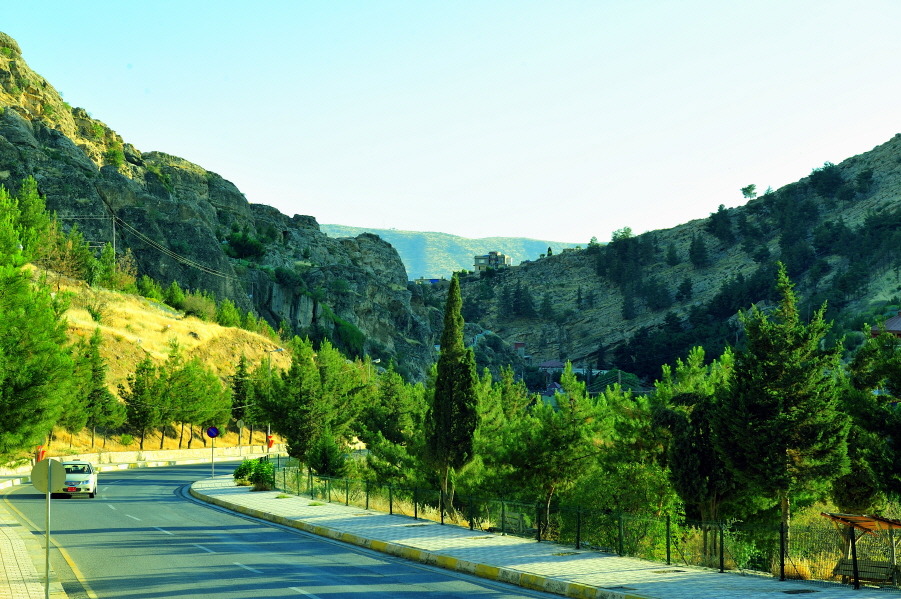


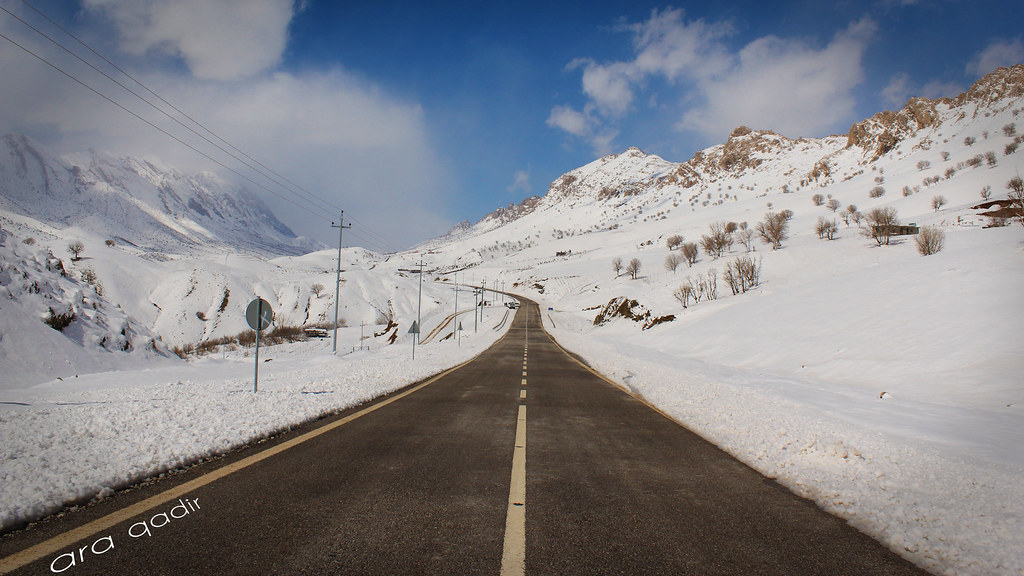


Very Beautiful & Green..........
The establishment of the Kurdistan Region of Iraq dates back to the March 1970 autonomy agreement between the Kurdish opposition and the Iraqi government after years of heavy fighting. The agreement however failed to be implemented and by 1974 Northern Iraq plunged into another round of bloody conflict between the Kurds and the Arab-dominated government of Iraq. Further, the Iran-Iraq war during the 1980s and the Anfal genocide campaign of the Iraqi army devastated the population and nature of Iraqi Kurdistan.
Following the 1991 uprising of Kurds in the north and Shia's in the south against Saddam Hussein, the Peshmerga succeeded in pushing out the main Iraqi forces from the north. Despite significant casualties and the crisis of refugees in bordering regions of Iran and Turkey, the Peshmerga success and establishment of the northern no-fly zone following the First Gulf War in 1991, created the basis for Kurdish self-rule and facilitation of return of Kurdish refugees. As Kurds continued to fight government troops, Iraqi forces finally left Kurdistan in October 1991, leaving the region to function de facto autonomy; however, neither of the two major Kurdish parties had at any time declared independence and Iraqi Kurdistan continues to officially be an integral part of a united Iraq,[citation needed] but one in which it administers its own affairs. The 2003 invasion of Iraq and the subsequent political changes led to the ratification of a new Constitution of Iraq in 2005. The new Iraqi constitution defines Iraqi Kurdistan as a federal entity of Iraq, and establishes Arabic and Kurdish as Iraq's joint official languages.
Iraqi Kurdistan is a parliamentary democracy with a regional assembly that consists of 111 seats.[4] The current president is Massoud Barzani, who was initially elected in 2005 and re-elected in 2009. The three governorates of Duhok, Erbil and Sulaymaniyah comprise around 40,000 square kilometres (15,000 sq mi) and have a population of 5.5 million.
http://en.wikipedia.org/wiki/Iraqi_Kurdistan
Erbil Capital Of Kurdistan
Very Beautiful & Green..........
0
3.1K
10
Thread Digembok
Urutan
Terbaru
Terlama
Thread Digembok
Komunitas Pilihan