

- Beranda
- Komunitas
- Hobby
- Freshwater Fish
Cockatoo Dwarf Cichlid ( Ask & Sharing )


TS
lipstebel
Cockatoo Dwarf Cichlid ( Ask & Sharing )
Ane rasa belom ada threadnya di kaskus
Cockatoo Dwarf Cichlid atau Apistogramma cacatuoides
Disebut Cockatoo Dwarf Cichlid karena mempunyai jambul mirip burung kakaktua, warnanya juga sangat menarik untuk fresh water fish.
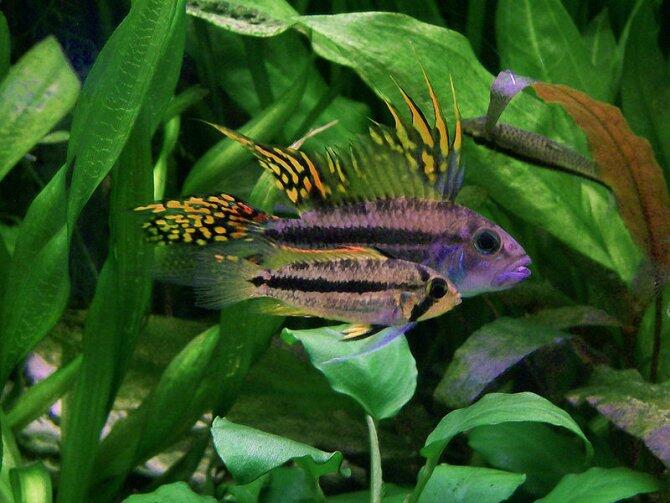
Kalau ane baca baca sih ikan ini cocok buat ditaruh di aquascape dengan banyak tanaman, batu atau kayu buat sembunyi dan daerah teritorinya
Highly teritorial buat sesama jenisnya khususnya sesama pejantan.
Untuk aquarium ukuran sedang piaranya bisa 1 jantan 2 betina atau 1 jantan dengan banyak betina. Untuk aquarium yg besar bisa diisi 2 pejantan karena area aquarium yg luas jadi punya daerah teritori sendiri2 .
Bisa untuk Tankmate atau dicampur ikan lain seperti tetra dan ikan aquascape lain
Jadi tertarik buat melihara ikan ini, awalnya pelihara ramirezi, kayaknya sifatnya juga sama peacefull pada ikan lain, galak pada sesama jenisnya
Ada yang pelihara ikan ini? Tolong dong di sharing dimana belinya, cara perawatannya dan lain lainnya
Ane ga bisa ngomong banyak tentang ikan ini karena ga punya, jadi buat agan2 yg punya mohon dishare ya
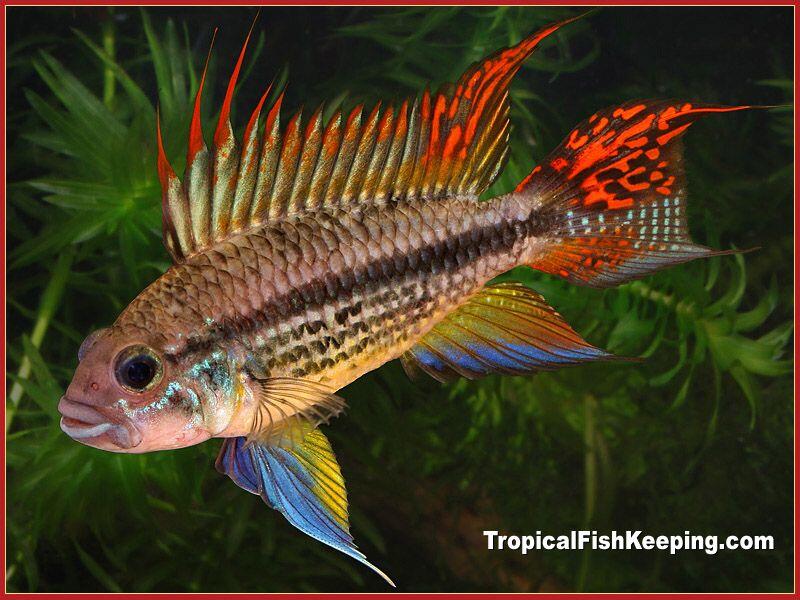
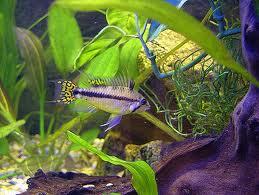
Cockatoo Dwarf Cichlid atau Apistogramma cacatuoides
Disebut Cockatoo Dwarf Cichlid karena mempunyai jambul mirip burung kakaktua, warnanya juga sangat menarik untuk fresh water fish.
Kalau ane baca baca sih ikan ini cocok buat ditaruh di aquascape dengan banyak tanaman, batu atau kayu buat sembunyi dan daerah teritorinya
Highly teritorial buat sesama jenisnya khususnya sesama pejantan.
Untuk aquarium ukuran sedang piaranya bisa 1 jantan 2 betina atau 1 jantan dengan banyak betina. Untuk aquarium yg besar bisa diisi 2 pejantan karena area aquarium yg luas jadi punya daerah teritori sendiri2 .
Bisa untuk Tankmate atau dicampur ikan lain seperti tetra dan ikan aquascape lain
Jadi tertarik buat melihara ikan ini, awalnya pelihara ramirezi, kayaknya sifatnya juga sama peacefull pada ikan lain, galak pada sesama jenisnya
Spoiler for Perhatian!!:
Ada yang pelihara ikan ini? Tolong dong di sharing dimana belinya, cara perawatannya dan lain lainnya
Ane ga bisa ngomong banyak tentang ikan ini karena ga punya, jadi buat agan2 yg punya mohon dishare ya
Quote:
Diubah oleh lipstebel 06-03-2013 11:48
0
8K
30

Komentar yang asik ya
Urutan
Terbaru
Terlama
Komentar yang asik ya
Komunitas Pilihan